


There is deepening racial and migrant scapegoating in the media. The housing emergency and public cuts are damaging millions of people's lives.
Creeping authoritarianism suffocates the rights and freedoms of ordinary people.
We are a team of experienced lawyers and campaigners coming together to challenge unlawful state practice and systemic injustice through legal representation, strategic litigation, research and legal education.
Across all areas of our work, several core themes emerge:
Over the last 10 years, PILC has used the law to defend working class and marginalised communities, and support campaigning for social and economic justice.
2026
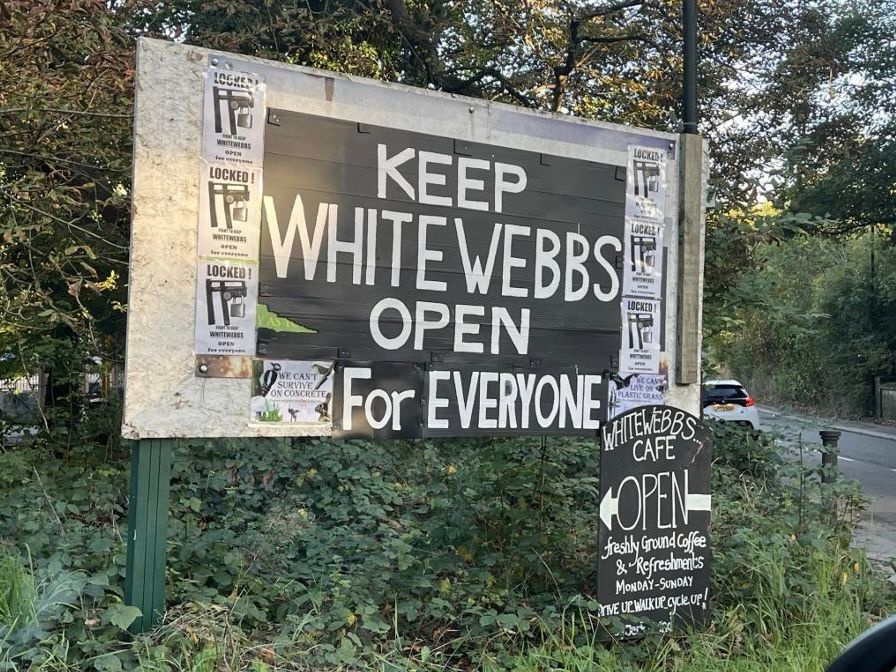
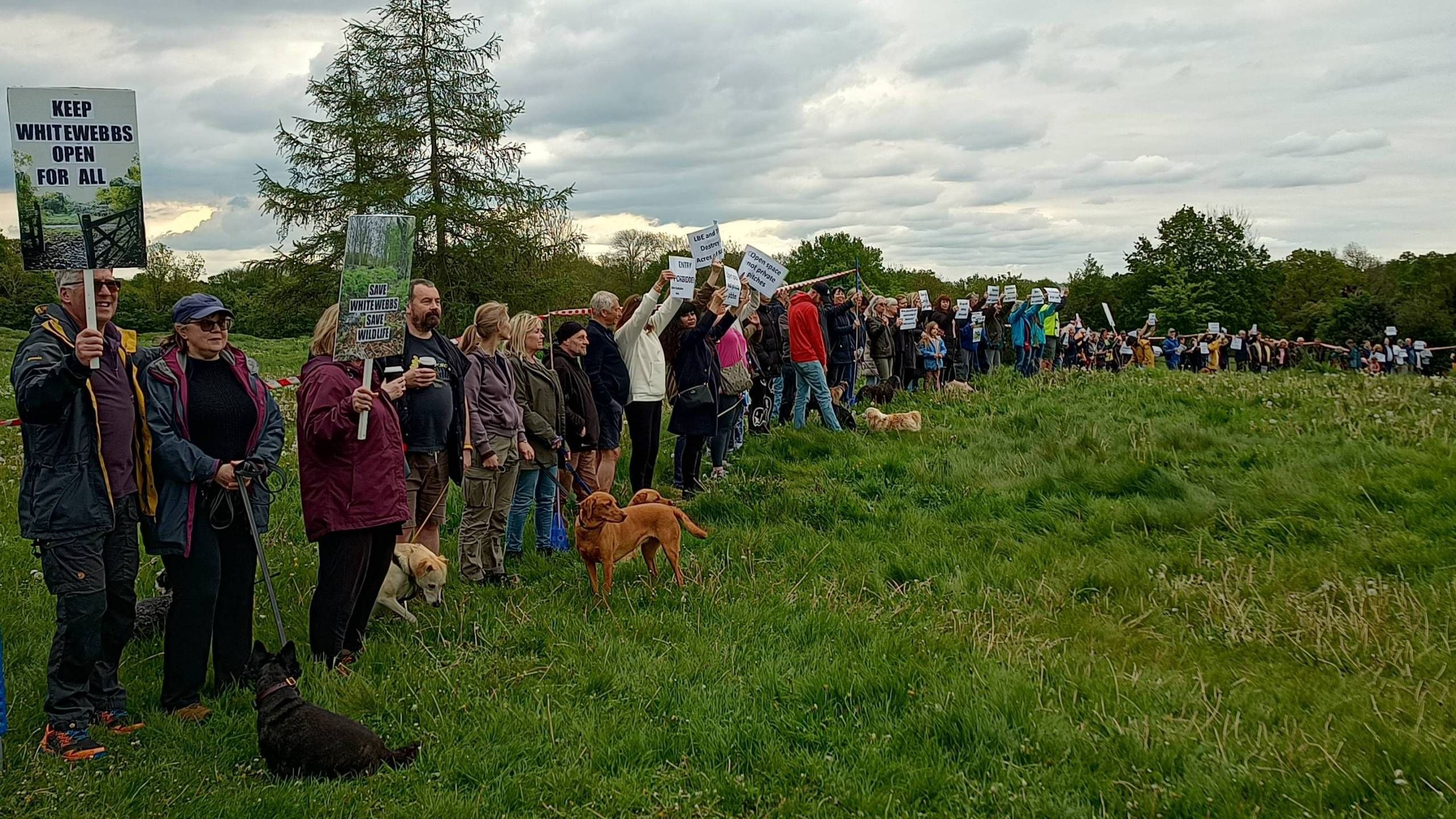
Legal caseHigh Court quashes Spurs' planning permission to develop Whitewebbs ParkR (Guardians of Whitewebbs Park CIC) v London Borough of Enfield [2026] EWHC 1916 (Admin)
We have represented residents of Enfield involved in a protracted legal battle with their local council and Tottenham Hotspur Football Co Ltd since 2023, after proposals to lease more than 50% of the park to THFC emerged in 2021, including the development of fenced-off training facilities that ended nearly 100 years of the Park being held in trust for the enjoyment of the public.
The Agreement for Lease to Spurs was unsuccessfully challenged in 2024, with the judgment confirming the ability of councils to sell public open space held in trust to private companies. The Agreement for Lease is, however, subject to a suitable planning permission being granted, which we successfully challenged in 2026.
Outcome: The High Court found the planning permission to be unlawful because Enfield Council misled its own planning committee and breached transparency provisions. If the decision stands and no further planning permission is granted, the controversial lease to Spurs will be cancelled. We hope the huge amounts of money and time wasted on this attempt to take over a public park will be a warning to councils and companies that residents care deeply about public open spaces and will fight hard to keep them.
MilestoneLaunch of the Gypsy and Traveller Law Network
We launched the Gypsy and Traveller Law Network, a collective response to challenging injustice through mentoring, legal briefings, training and events — building on a decade of work training grassroots groups and frontline organisations to identify unlawful practices and engage effectively in strategic litigation.
2025
.jpeg)
.jpg)
%20(1).jpeg)
PILC at the Appleby Horse Fair (2025) and the Launch of Gypsy and Traveller Law Network (2026)
FeaturePalestine Solidarity: using the law against corporate and state-backed genocide
We have undertaken a number of ongoing strategic legal interventions in relation to international justice and corporate accountability.
In 2025, we worked alongside the Palestinian Centre for Human Rights and a team of legal experts, including renowned human rights barrister Michael Mansfield KC, to submit a detailed report, based on six months of extensive evidence gathering, to the Metropolitan Police War Crimes Unit concerning 10 Britons accused of alleged war crimes and crimes against humanity committed in Gaza between October 2023 and May 2024, supported by extensive witness evidence and legal analysis. Seventy legal and human rights experts also signed a letter of support urging the War Crimes Team to investigate any and all complaints regarding involvement in war crimes and crimes against humanity.
We also represented Lubna Speitan, a British-Palestinian artist, activist, and founding member of the Greenwich Palestine Alliance, in a challenge to Greenwich Council's pension fund investment policy. The case exposed the Council's reliance on an unlawful provision that sought to prevent it from considering divestment or boycotts in its investment decisions. Following legal challenge, Greenwich Council accepted that the provision was legally flawed and agreed to remove it, and committed to undertaking a formal consultation on its responsible investment policy.
We also used professional regulatory accountability mechanisms to challenge conduct within the legal system itself, including reporting UK Lawyers for Israel (UKLFI) to the Solicitors Regulation Authority (SRA). These complaints were made on behalf of several community organisations who had been threatened from showing solidarity with Palestine, with litigation lacking proper legal foundation, in circumstances which risked deterring lawful advocacy and participation in public life.
This was followed by further interventions in 2026, including a formal complaint submitted on behalf of a Palestinian woman with immediate family in Gaza, and, in collaboration with Campaign Against the Arms Trade (CAAT), to the Metropolitan Police Counter Terrorism Command (SO15) regarding the potential criminal liability of UK-based directors of Elbit Systems for alleged complicity in international crimes.
These actions were brought on behalf of Palestinian individuals and communities directly affected by the genocide, and form part of a wider effort to test the application of domestic criminal law to allegations of international crimes and corporate involvement in armed conflict. This work reflects a wider commitment not only to challenging unlawful state practice, but also to ensuring that legal processes are not misused in ways that prevent grassroots organising, restrict public debate, or undermine access to justice.
2024
“They have helped me and my daughter to regain our independence, slightly. I had the assurance that no matter who you are in the society, or your organisation, one can fight for their right.”
— Eucharia, one of the women who instructed PILC in the ‘Bereaved Partners’ challenge
Legal caseHome Office policy change enables fee waivers for Bereaved Partner ILR applicationsR (NR and EU) v Secretary of State for the Home Department [2024] (judicial review settled)
We represented bereaved partners who were unable to apply for Indefinite Leave to Remain for themselves and their qualifying children following the death of their spouse because they could not afford the Home Office application fee. Despite meeting the substantive requirements for settlement, they faced the prospect of being left without secure immigration status solely because of their financial circumstances.
We worked closely with RMJ (then RAMFEL) and the Unity Project, whose casework and evidence from affected individuals revealed the systemic impact of the Home Office's refusal to allow fee waiver applications for bereaved partner settlement cases and the two-tier system created by the lack of fee waiver. The challenge exposed a policy that effectively denied some of the most vulnerable applicants access to settlement, creating an unjust barrier for people already dealing with bereavement, financial hardship and insecurity.
Outcome: Following the challenge, the Home Office agreed to change the law and introduce a fee waiver process for bereaved partner Indefinite Leave to Remain applications. This ensured that bereaved partners would no longer be denied access to settlement solely because they could not afford the application fee.
Legal caseCourt of Appeal extends housing protections to marina residentsJaffe v Tingdene Marinas Ltd [2024] EWCA Civ 751
We represented a resident living in a marina in mobile home-style accommodation who faced the risk of being denied basic housing rights because of the terms of her agreement with the marina owner. The case raises important issues about security of tenure for people living in non-traditional forms of housing, including many Gypsy and Traveller households and others who are disproportionately affected by housing insecurity.
We worked with the resident and challenged attempts to exclude her from the protections of the Mobile Homes Act 1983 by relying on technical planning concepts rather than the reality of the construction of the home. We argued that the resident should not lose statutory protection simply because the home was described as a “houseboat” rather than a caravan where, in substance, it fell within the Mobile Homes Act regime.
Outcome: The Court of Appeal held that the resident could not be denied statutory protection simply because the home was labelled a “houseboat” rather than a caravan, and where, in substance, it fell within the Mobile Homes Act 1983. The judgment potentially strengthens housing protections for people living in marina and mobile home-style accommodation and reinforced the principle that legal rights should be determined by the reality of a person's housing circumstances, not by technical distinctions that undermine security and stability in the home.
“The impact after dealing with PILC was very great. My life has changed for the better after their efforts. I now feel that everything in my life is pointing in the right direction after the court ruled in our favor.”
— PILC client, supported to challenge his unlawful detention
Legal caseHigh Court rules Westminster's housing policy unlawful for survivors of abuseR (AK) v London Borough of Westminster [2024] EWHC 769 (Admin)
We represented a social housing tenant whose child had been subjected to serious sexual abuse by a neighbour. Although remaining in the family home was unsafe, Westminster City Council refused her application for a reciprocal transfer into the borough, a mechanism designed to allow social tenants to move between landlords while retaining their secure tenancy. We worked closely with frontline domestic abuse organisations supporting survivors who are often forced to choose between remaining in dangerous homes and losing the security of their social tenancy.
The case exposed how Westminster's reciprocal transfer policy operated in practice to disadvantage women fleeing violence and abuse. We challenged the policy as discriminatory and argued that the Council had failed properly to consider its impact on survivors and their children.
Outcome: The High Court found that the reciprocal transfer policy gave rise to unlawful indirect discrimination and that the Council had failed to comply with its Public Sector Equality Duty. The Court also found that Westminster had failed to consider adequately the welfare of AK's child. The judgment is a significant intervention in housing law, making clear that social tenants forced to flee abuse should not have to surrender their security of tenure in order to find safety, and strengthening protections for survivors seeking access to secure alternative accommodation.
Legal caseCourt blocks eviction of Romani Gypsy families that council itself relocatedMedway Council v Heron & ors, Canterbury County Court, KO1ME613 [2025]
We represented a Romani Gypsy family who were living on a disused park-and-ride site after being moved there by the local authority. The family faced possession proceedings despite having nowhere suitable to go and despite experiencing acute welfare needs, including pregnancy, serious health issues and the care of young children.
The case raised urgent issues about the chronic shortage of authorised Traveller sites and the consequences of local authorities seeking to evict Gypsy and Traveller families without providing lawful and workable alternatives. We argued that, in circumstances where no suitable alternative accommodation was available, eviction would cause devastating consequences for the family and amount to a disproportionate interference with their rights under Article 8 ECHR.
Outcome: The County Court refused possession, finding that the proposed eviction would be a disproportionate interference with the family's right to respect for their private and family life and a breach of s11 of the Children Act 2004. The judgment is an important reminder that eviction powers have limits, particularly where local authorities have failed to provide realistic accommodation options, and strengthens protections for Gypsy and Traveller families facing displacement and homelessness.
2023
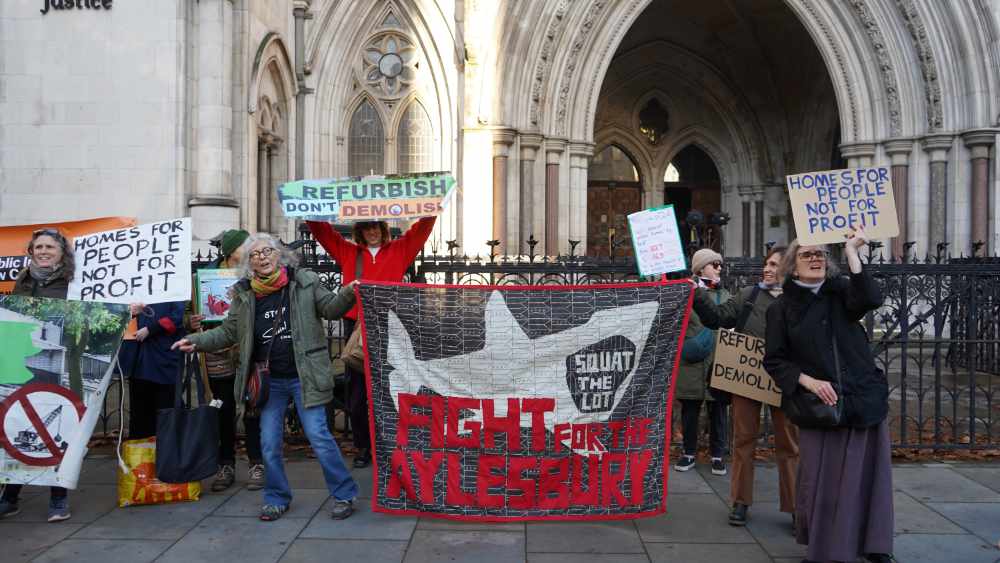
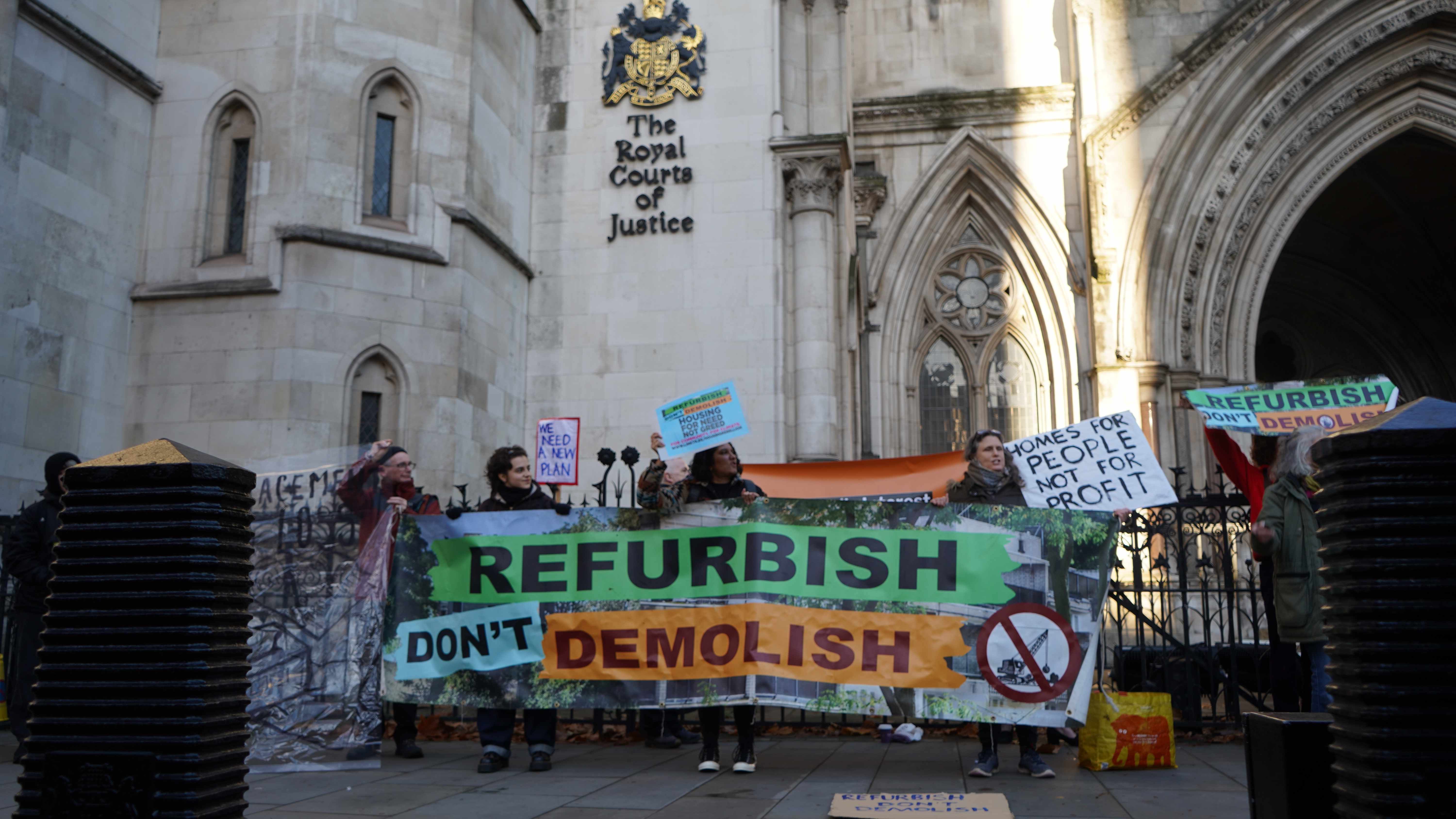
Legal caseHigh Court rules redevelopment of Aylesbury Estate unlawfulR (Aysen Dennis) v London Borough of Southwark [2024] EWHC 57 (Admin)
We represented Aysen Dennis, a long-standing resident of the Aylesbury Estate and community campaigner, who challenged Southwark Council's attempt to change the terms of the planning permission governing the estate's regeneration. Aysen and other residents were concerned that significant changes to the redevelopment were being pushed through without the level of scrutiny, transparency and community involvement that such decisions required.
We worked with Aysen, local residents and campaigners fighting for fair and accountable regeneration of the Aylesbury Estate. The case challenged the Council's use of a supposedly “non-material” amendment to alter the original planning permission in a way that would have given the developer greater flexibility to depart from the masterplan agreed with the community. We argued that this was not a minor technical adjustment but a significant change with real consequences for the future of the estate.
Outcome: The High Court agreed and found that the Council had acted unlawfully by using a simplified process to introduce a material change to the planning permission. The decision was quashed. The judgment was an important victory for residents facing large-scale regeneration schemes, confirming that councils and developers cannot use procedural shortcuts to avoid proper scrutiny where decisions have significant consequences for people's homes and communities.

“We felt very fortunate to have had the experience of working with PILC, of them taking an interest in our community and its concerns. It was wonderful to feel so totally supported and understood.”
— Aysen Dennis, Aylesbury Estate resident and campaigner
2022
MilestoneUK Covid-19 Inquiry: exposing and challenging the state's failure to protect marginalised communities
In July 2020, PILC formally wrote to the Government Legal Department on behalf of the Law Centres Network to demand a public inquiry into the government's handling of the response to the Covid-19 pandemic under s1 Inquiries Act 2005. The letter was also signed by a network of 70+ small and large organisations who supported our call. The Prime Minister announced the inquiry in May 2021, with a view to examine the UK's response to and impact of the Covid-19 pandemic, and to learn lessons for the future.
Drawing on our experience of public inquiries and deep relationships with grassroots organisations, campaign groups and frontline services, we ensured that the voices of communities hardest hit by the pandemic were heard by the Inquiry. We brought forward evidence and lived experiences that would otherwise have been overlooked, including barriers to vaccine uptake, domestic abuse during lockdown, and the disproportionate impact on frontline healthcare and care workers, who were overwhelmingly migrant workers employed in some of the most precarious and exploitative conditions amplified by the pandemic.
We subsequently obtained Core Participant status and represented 12 organisations across several modules: Solace Women's Aid, Southall Black Sisters and Latin American Women's Rights Service, representing victims and survivors of domestic abuse; the Independent Workers' Union of Great Britain (IWGB), United Voices of the World (UVW) and Kanlungan Filipino Consortium, representing the Frontline Migrant Health Workers Group; and the Joint Council for the Welfare of Immigrants (JCWI), Kanlungan Filipino Consortium, Medact and Doctors of the World (DOTUK), representing a collective of migrant rights groups organising under the ‘Migrant Primary Care Access Group’, which for a later module expanded to include Project 17, Together With Migrant Children, Just Right Scotland, UVW and IWGB as part of the broader ‘Migrants Rights Consortium’.
Status: The Inquiry ended in April 2026, with recommendations still being finalised.
Legal caseHigh Court rules overcrowded households wrongly denied housing priorityR (Laines Roman) v London Borough of Southwark [2022] EWHC 1232 (Admin)
Our client moved to the UK in 2016 and lived with his wife and two children in a one-room studio flat. Despite experiencing severe statutory overcrowding, Southwark Council had refused to award him the highest level of housing priority on the basis that he had “deliberately” caused his overcrowding.
We worked closely with HASL, which had been supporting other families in the exact same situation. This judicial review challenged Southwark Council's irrational approach to treating overcrowding as “deliberately caused” where families had no meaningful choice over their housing situation. The case formed part of a wider challenge to Southwark's approach to overcrowded households, particularly those from low-income, racially minoritised, and migrant communities.
Outcome: The High Court quashed the Council's decision, strengthening protections for overcrowded households seeking fair access to social housing and helping to challenge the unlawful penalisation of families experiencing severe overcrowding.
Abused twice: the ‘gatekeeping’ of support for domestic abuse survivors in every London borough
Read the ReportLegal caseHigh Court rules Home Office's automatic suspension of EUSS applications over pending prosecutions unlawfulR (Lukasz Krzysztofik) v Secretary of State for the Home Department, JR-2021-LON-001727 [2024]
We represented an applicant under the EU Settlement Scheme who had been in the UK for almost 20 years but whose application had been ‘paused’ by the Home Office because he was subject to ongoing criminal proceedings, leaving him in prolonged legal uncertainty about his immigration status and residence rights, and without support for which he was eligible.
We worked with the3million, Refugee and Migrant Justice, Praxis and the Independent Monitoring Authority for the Citizens' Rights Agreements to challenge the Home Office's policy, which automatically paused thousands of applications without any meaningful individual assessment. The case exposed a blanket system of delay affecting around 20,000 people and challenged the Secretary of State's unlawful fettering of discretion by failing to consider applications on a case-by-case basis.
Outcome: The Upper Tribunal found the policy unlawful. The Home Office was required to review the paused applications, marking an important limitation on blanket administrative decision-making and strengthening protections for EU citizens seeking to secure their residence rights in the UK.
Unequal Impacts: How immigration law and policy affected migrants' experiences of Covid-19
Read the Report2021
Legal caseImproving Camden's approach to safe emergency accommodation for survivors of domestic abuseR (FB) v London Borough of Camden (Women's Aid Intervening) CO/3148/2019 (judicial review settled) [2021]
We represented a survivor of domestic abuse who was suffering from significant mental health issues and the effects of serious trauma. Despite her vulnerabilities, she was placed in shared emergency accommodation with men, a situation that was triggering and retraumatising.
Supported by evidence from Solace Women's Aid, clinical psychologists, and trauma-informed therapists, this case exposed systemic failings in Camden Council's approach to emergency accommodation for survivors of domestic abuse, particularly the placement of survivors in shared accommodation with men. The claim highlighted the significant risks, harm, and retraumatisation that can arise from these practices.
Outcome: Camden Council agreed to review its policies and practices before the claim reached trial. The case reinforced the council's obligation to provide accommodation that safeguards survivors from further harm, supports their recovery, and ensures they are not retraumatised by the very systems that are supposed to protect them.
Legal caseThe Shrewsbury 24: overturning a 47-year miscarriage of justiceR v Warren & Others [2021] EWCA Crim 413 (Court of Appeal, Criminal Division)
We represented Ricky Tomlinson and Arthur Murray (and, in a later appeal, the family of Brian Williams) against the convictions of the Shrewsbury 24, building workers prosecuted following the national building workers' strike of 1972. This extraordinary case involved the criminalisation of trade unionists, the destruction of evidence by the police and the involvement of secret services.
In 1973-74, Ricky Tomlinson, Des Warren and John McKinsie Jones were convicted of conspiracy to intimidate, unlawful assembly and affray. Our client Ricky Tomlinson received two years' imprisonment and Des Warren three. Others, including Arthur Murray, were convicted at subsequent trials and jailed.
The consequences lasted far beyond the prison sentences. Many of the men were subsequently blacklisted and unable to obtain work in the construction industry. Des Warren was subjected to solitary confinement and forcible medication, the notorious “liquid cosh”. He died in 2004 without seeing his conviction overturned.
Outcome: For decades, the Shrewsbury picketers and their supporters had campaigned to clear their names. The Court of Appeal found the convictions unsafe and quashed the original verdicts.

“The Public Interest Law Centre is comprised of passionate campaigning lawyers who deeply grasp the importance of aligning legal cases with political campaigns to bring unjust cases to light.”
— Ricky Tomlinson, one of the Shrewsbury Picketers whose convictions were quashed after 47 years
Still Here: Defending the rights of homeless EU citizens after Brexit and Covid-19
Read the Report2020
Legal caseHigh Court rules student finance regulations discriminate against domestic abuse survivorsR (OA) v Secretary of State for Education [2020] EWHC 276 (Admin)
We represented a young migrant survivor of domestic abuse to challenge the student finance rules requiring three years' lawful ordinary residence. Our client had been unable to maintain lawful residence after her abusive partner withheld her immigration documents and exercised coercive control, causing her to fall out of lawful status for a period prior to being granted indefinite leave to remain.
Supported by evidence from Let us Learn, Latin American Women's Rights Service, Southall Black Sisters and Solace Women's Aid, the case exposed how the regime failed to account for the realities of domestic abuse, including documentary control and barriers to regularising immigration status.
Outcome: The High Court held that the absence of any exemption for victims of domestic abuse rendered the scheme unlawfully discriminatory, in breach of Article 14 ECHR read with Article 2 of Protocol 1. The case contributed to subsequent regulatory changes introducing an exemption for survivors of domestic abuse and it is an important authority illustrating the need for residence-based eligibility rules to accommodate those facing barriers as a result of domestic abuse.
“It does not matter who you speak to from PILC. They work hard and show they care and really understand your case. They always get back to us. I'm so happy they have supported and understood me for all this time. I would not have felt confident to keep on going without their support.”
— Domestic abuse survivor supported by Solace Women's Aid
Legal caseEnding Lambeth's deceitful homeless prevention schemeR (Embalo, Oyeyemi, Khan) v London Borough of Lambeth [2020] (Judicial review settled)
We represented three members of HASL with whom we worked closely to challenge Lambeth Council's “Temp2Settled” homelessness prevention scheme.
The case exposed a systemic practice in which applicants were encouraged to accept offers of private rented accommodation on the basis that this would improve their housing priority, without clear or accurate information about the longer-term consequences. These included being placed outside the borough and losing their local connection, while in practice having no realistic prospect of successfully bidding for a property and losing their place on the housing register.
Outcome: Lambeth Council agreed to discontinue the policy and review affected cases, writing to households to confirm that they would be reinstated on the housing register.
2019
Legal caseSecuring a Home Office application process for bail accommodationR (MSM) v SSHD [2019] (Judicial Review settled)
We represented a young asylum seeker who was destitute and eligible for accommodation and subsistence support under Schedule 10 of the Immigration Act 2016. Despite repeated attempts to apply, he was unable to access support because there was no effective application process in place.
The case exposed a serious gap in the immigration bail accommodation system. The absence of an accessible and functioning procedure for Schedule 10 applications left destitute asylum seekers and refused asylum seekers unable to secure essential support, exposing them to the risk of street homelessness, severe hardship, and destitution.
We worked closely with the Asylum Support Appeals Project and Hackney Winter Night Shelter, gathering evidence of systemic procedural failure and its human impact.
Outcome: The litigation prompted the Home Office to introduce a formalised process shortly before the hearing. This case is a key example of strategic litigation compelling the state to create and clarify a lawful framework for access to basic accommodation support for highly vulnerable migrants.
“I hold PILC and their solicitors in very high regard. They are highly committed to representing vulnerable individuals and cohorts in cases that raise issues of social inequality and injustice.”
— Maria Moodie, Garden Court Chambers
2018
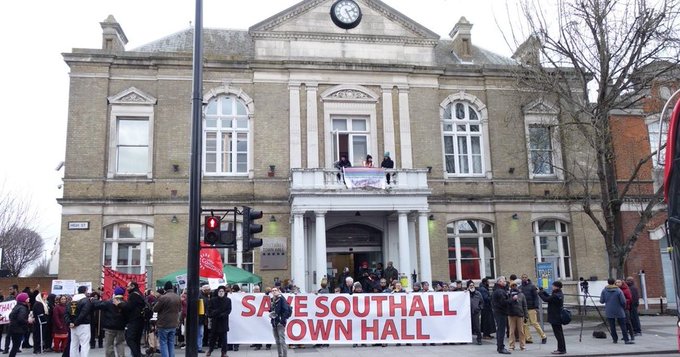
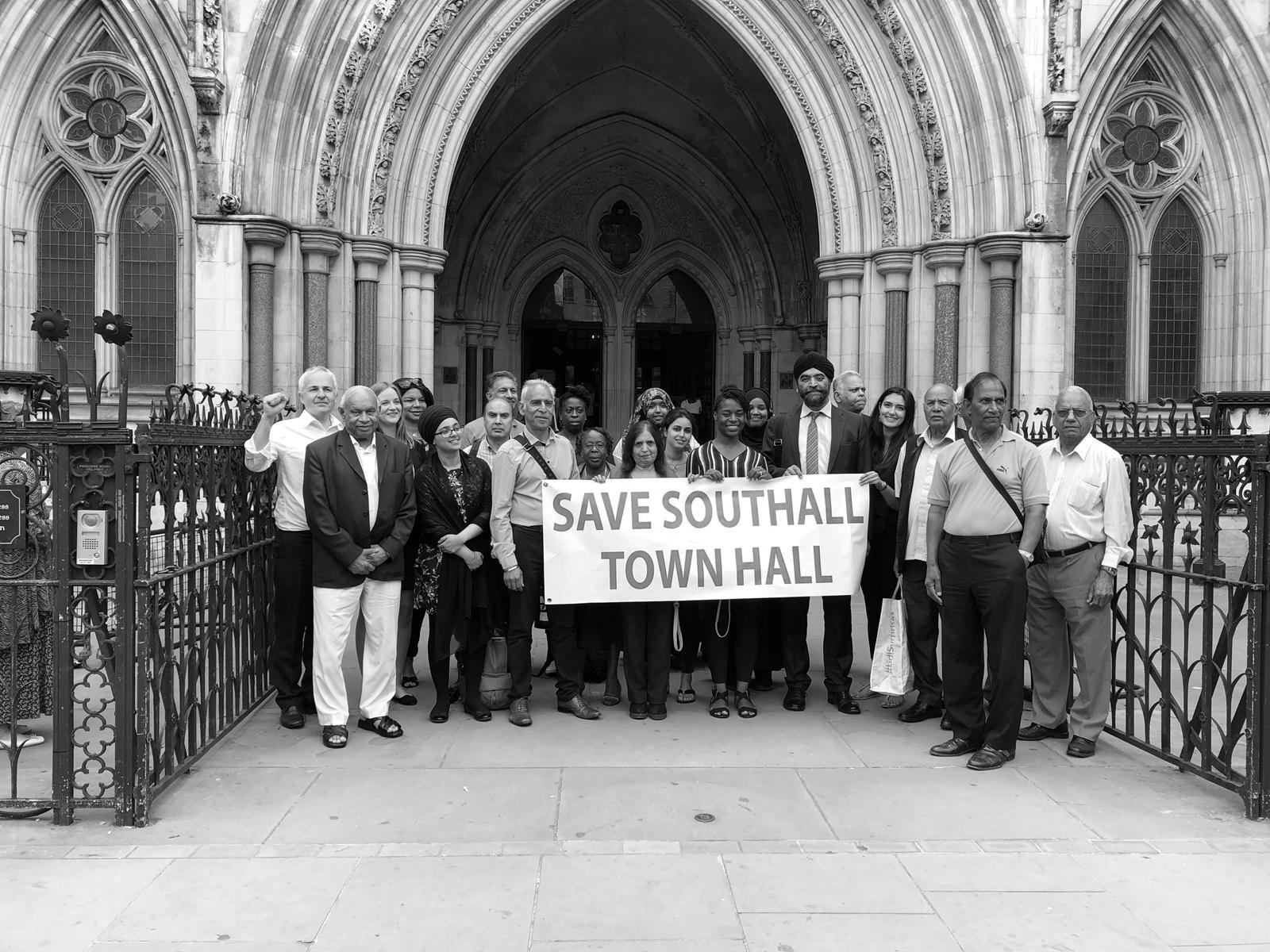
Legal caseSaving Southall Town HallR (Mohinder Pal) v London Borough of Ealing [2018] EWHC 2154 (Admin)
We represented Mohinder Pal, a local pensioner and member of the Indian Workers Association's Southall branch, challenging the proposed sale of Southall Town Hall, a key community asset and iconic symbol of anti-racist resistance.
We worked with the Monitoring Group and the Save Southall Town Hall campaign, gathering evidence of community impact and equality implications in the council's decision-making process.
Outcome: The High Court held that Ealing Council had acted unlawfully in resolving to dispose of the building, including by failing to consider whether it could be transferred for less than best consideration in light of its community value, and by failing to properly discharge its public sector equality duty. The judgment made clear that local authorities must take into account community use and impact and follow a lawful and evidenced decision-making process when disposing of public assets.
2017
Legal caseEnding Home Office crackdown on homeless EU migrantsR (Gureckis, Cielecki, Perlinski) v Secretary of State for the Home Department [2017] EWHC 3298 (Admin)
We represented three Eastern European rough sleepers who had been detained by the Home Office and liable to removal from the UK on the basis that rough sleeping constituted an “abuse” of EU free movement rights. Thousands of rough sleepers were rounded up and subject to the policy.
We worked closely with North East London Migrant Action (NELMA), Akwaaba and others to generate evidence of the policy's impact on the ground, which was central to the challenge. The High Court held that the policy was unlawful, finding that rough sleeping cannot in itself amount to an abuse of rights under EU law, and that the policy was discriminatory and involved unlawful systematic verification of residence rights. This enabled affected individuals to challenge their detention, removal and related decisions.
Outcome: The judgment brought an end to the collaboration between homelessness organisations and immigration enforcement, shifting statutory commissioning and voluntary sector practice to treat immigration as a support need, not an offence.


2016
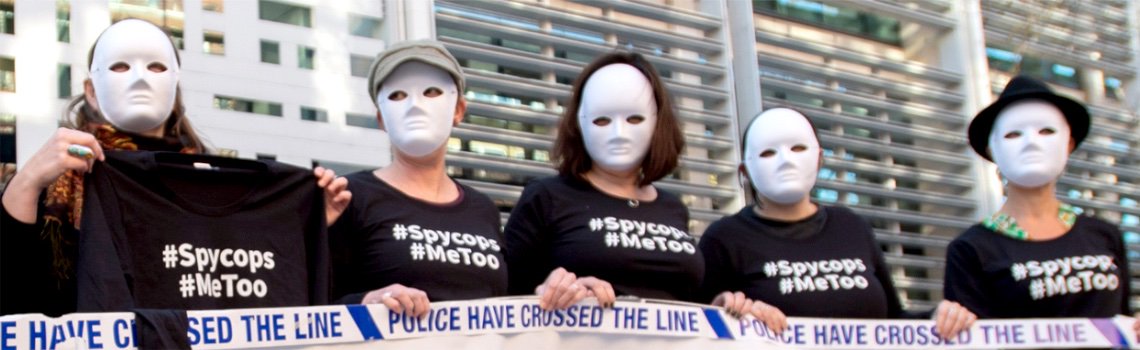
MilestoneUndercover Policing Inquiry: four decades of political policing
The Undercover Policing Inquiry was set up in 2015 to get to the truth about undercover policing across England and Wales since 1968 and provide recommendations for the future. This was in response to independent reviews, which found ‘appalling practices in undercover policing’, such as entering into abusive sexual relationships, assuming the identities of dead children, and failing to disclose their activities in legal proceedings.
In 2016, PILC was instructed by Youth Against Racism in Europe, Hannah Sell, Lois Austin and Dave Nellist, a former Labour Member of Parliament. We were later instructed by ‘Mary’, one of the first women deceived into a sexual relationship by an undercover police officer, and Richard Chessum, activist in the Troops Out movement. In November 2020, we also secured core participant status for the Stop the War coalition and three ex-leading members of the Socialist Workers Party (SWP). The SWP was under state surveillance during the 40 years of the Special Demonstration Squad's existence, which involved the infiltration of more than 35 undercover police officers. We also began representing the Campaign for Nuclear Disarmament (CND), one of the most important peace campaigns, not only in Britain but also internationally.
For four decades, the Special Demonstration Squad (SDS) was permitted to infiltrate socialists, anti-racists, peace campaigners and other opponents of government policy when there was no proper justification for deploying such an extraordinarily intrusive policing tactic.
Status: The Inquiry remains ongoing.
.jpg)
Proud to work alongside such inspiring and committed organisations.






































-NEW.png)




Thank you to our funders. Our work would not be possible without your support.




.jpeg)











We will not rest until we see a fairer and more equitable society.
Make a donation today to support our work:
More ways to give


244-254 Cambridge Heath Road London E2 9DA
Phone: 0203 559 6342
Contact us
© Public Interest Law Centre
Charitable Incorporated Organisation in England & Wales - no: 1192355
Registered office: 244-254 Cambridge Heath Road, London, E2 9DA