

News
Housing and Homelessness
November 17, 2025
Cuts to frontline support drives people experiencing homelessness to A&E
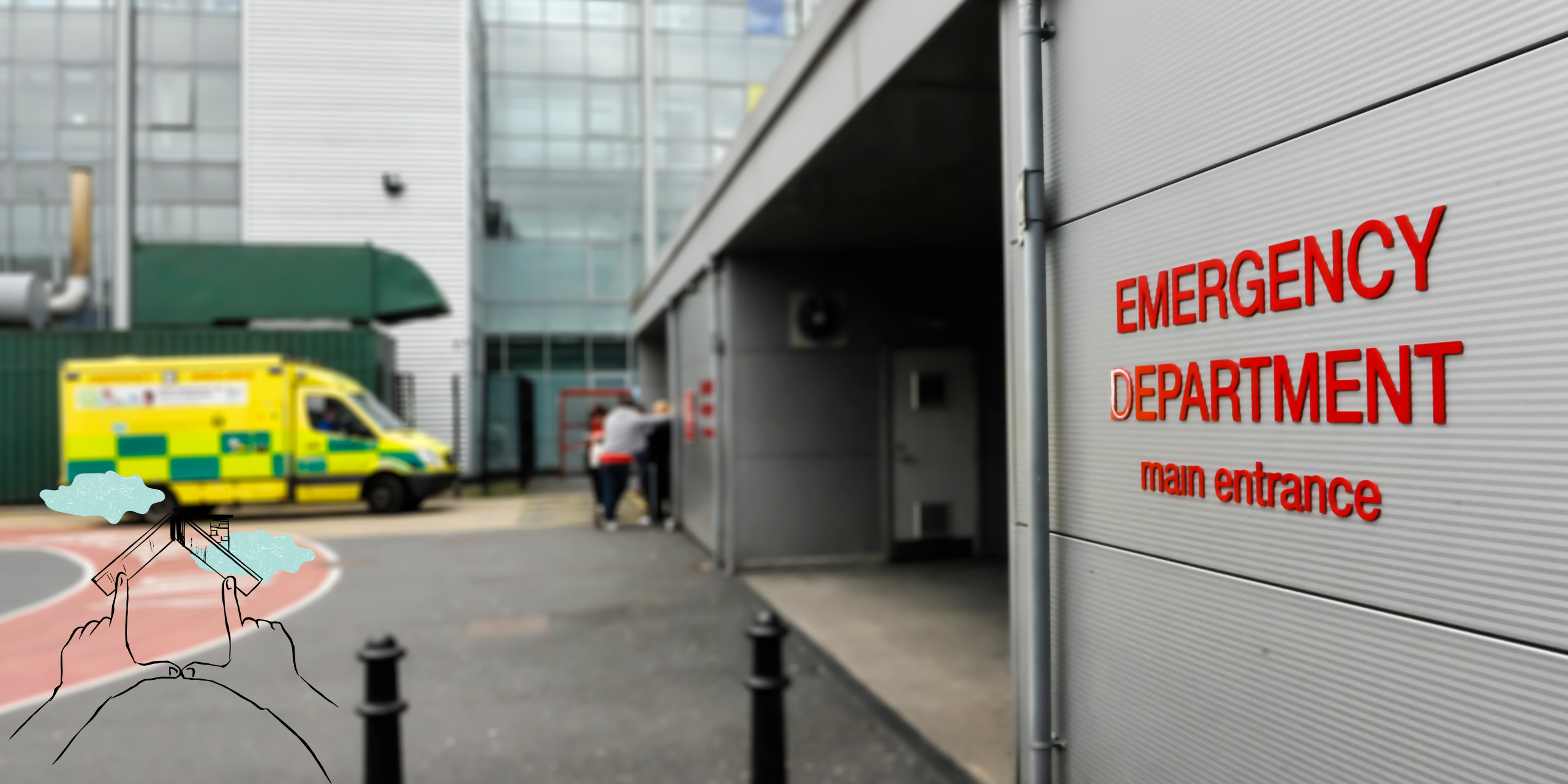
‘Broken’ local authority support practices for people experiencing homelessness must change in order to tackle the homelessness crisis in London and the knock-on impact on its hospitals. Following an investigation led by King’s College London, a new report reveals that the majority of London’s local authorities no longer offer in-person, walk-in services for people to make a homeless application.
Jo Underwood has been leading on new research in collaboration with the Policy Institute at King’s College London about the closure of in-person walk-in services driving people experiencing homeless to A&E for help. Jo is a housing solicitor and lecturer at the King’s College London Legal Clinic as well as a consultant solicitor at PILC working on the Covid-19 public inquiry.
London is in the midst of a growing homelessness crisis, with the number of people reported rough sleeping in 2024-25 the highest ever recorded. With local authorities struggling to meet the demand for support and switching from in-person to online-first ‘closed-door’ models, people are instead turning to hospitals for help.
Following an investigation led by King’s College London Legal Clinic, a new report reveals that the majority of London’s local authorities no longer offer in-person, walk-in services for people to make a homeless application. Only three out of all 33 London boroughs offer a publicly advertised service without someone needing to book an appointment first.
These closed-door policies create several barriers to those trying to access homelessness support, often people in urgent need of help. Those without access to a phone or means of connecting to the internet, as well as those who struggle to complete complex applications, cannot access the support they need.
This lack of access has also been reported as one of the reasons why London’s hospitals are seeing more patients who are experiencing homelessness.
Although many present at hospitals with serious mental or physical health conditions – often related to or exacerbated by their experiences of homelessness – some are visiting with the main goal of finding support, and A&E staff are not able to prioritise them.
“People experiencing homelessness are being shut out by a system that is supposed to help them,” said Jo Underwood. “When councils move services online and close their doors, people in desperate situations feel they have nowhere to go and this is driving them to attend A&E so they can speak to somebody in person."
“This is not just a policy failure, it’s a legal and moral one. We need to bring back community focused, face-to-face support if we want to properly support people experiencing homelessness and relieve pressure on our health service.”
Closed-door policies have also created an administrative burden for hospital staff, who have reported that the time they must spend chasing phone calls and emails about housing referrals is causing delays to the care of other patients, delays to discharge times and causing bed-blockages by patients who are medically fit to leave, but have no suitable accommodation to go to. In the most severe cases, patients are being discharged from hospitals back to the streets.
The report notes that the narrative around homelessness needs challenging too, with a need for a more human approach and building in lived experience into the design of services.
Access the full report here
We will not rest until we see a fairer and more equitable society.
Make a donation today to support our work:
More ways to give


244-254 Cambridge Heath Road London E2 9DA
Phone: 0203 559 6342
Contact us
© Public Interest Law Centre
Charitable Incorporated Organisation in England & Wales - no: 1192355
Registered office: 244-254 Cambridge Heath Road, London, E2 9DA